Travel and Meaning, Part 1:
Origin
This page is part of Travel and Meaning and my advice pages.
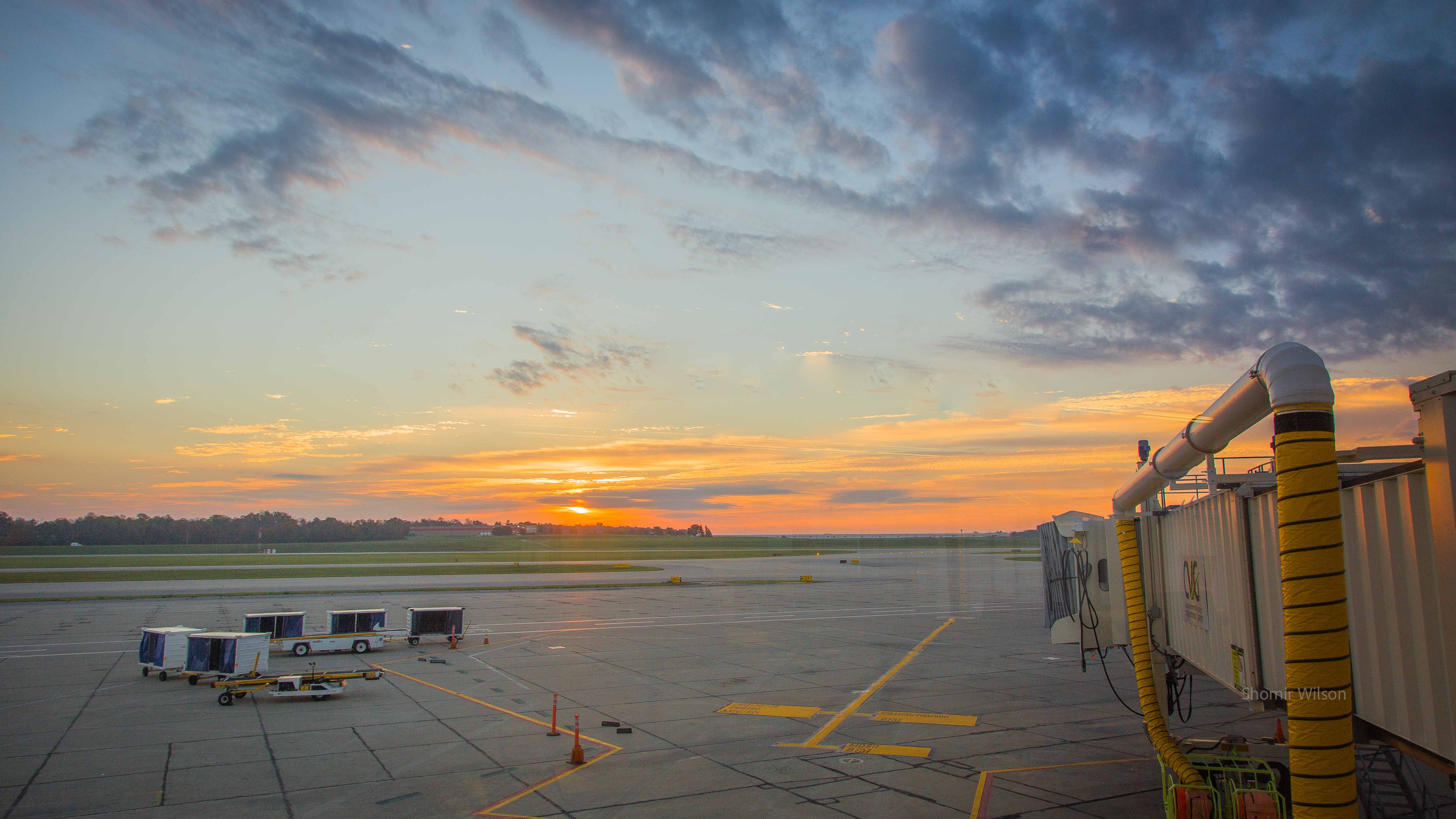
Spring 2017
Cincinnati/Northern Kentucky International Airport
I stepped off the plane into a jetbridge at my home airport unable to remember where I had traveled, and I tried to reconstruct it from the clues around me. It had been a morning flight, which meant I had woken up early, and my thoughts were still leaden with fatigue. All my luggage was with me—nothing checked—and I wasn't wearing a coat, which meant I hadn't been somewhere cold. My car was waiting for me in the economy lot, which meant the trip hadn't been long. Those limited the possibilities, but I still didn’t have an answer.
As I entered the terminal, I looked backward at the electronic board on the wall next to the gate. It didn't say where my plane had arrived from. Even if it did, I could have had a layover somewhere. An airline employee stood nearby, but I didn't consider asking her. Facing the concourse, I couldn't remember which way the exit was, but that was normal for me in this airport. Other arriving passengers turned left and so I followed them.
Where had I been, and why? Looking at my phone would produce the answer in seconds, but I felt like I should try to remember. It was a strange mental space to occupy, but it was also calming. If the trip had created new tasks for me, I didn't know what they were. My only obligation at that moment was to keep walking, and I did that, feeling vaguely self-conscious. No one around me knew I was grappling with a fundamental, almost existential question. Play it cool, I thought. All of us just got here.

May 31, 2016
Pittsburgh, Pennsylvania
I was disassociating, though I didn't realize it. I got off the bus at Forbes and Morewood and walked onto Carnegie Mellon University's campus, the final stage of my daily commute to work as a postdoc. I was present enough to obey the walk signal, but I was also visualizing my path from above. I thought about the firmness of the ground beneath the pavement, but also its fungibility. I was returning to work the day after a transatlantic flight, part of a months-long streak of frequent long-distance travel. I thought about the roundness of the Earth and how quickly I had been oscillating from one side of it to another. I questioned what it meant to be anywhere in particular.
In the previous six months I had been on 34 commercial flights, for job interviews, conferences, and a vacation. I possessed a written offer for a faculty position at the University of Cincinnati and a verbal offer from a university on the West Coast. However, there was still one interview left, for a position in Scotland. In two weeks I would fly back across the Atlantic for the campus visit; directly from that I would fly to a conference in Denver; directly from that I would fly to Cincinnati for a post-offer visit; and only after that I would return to Pittsburgh. Within a few months I would live in one of three places: the West Coast, the Midwest, or the United Kingdom.
In my fourth year of applying for faculty positions, I was finally receiving campus interview invitations and offers. I was glad to have choices, but I hadn’t expected the disorientation. In the meantime, I needed to go to the next meeting, write the next paper, make the next slide deck, and board the next flight. I tried, with some difficulty, to concentrate on the path in front of me.
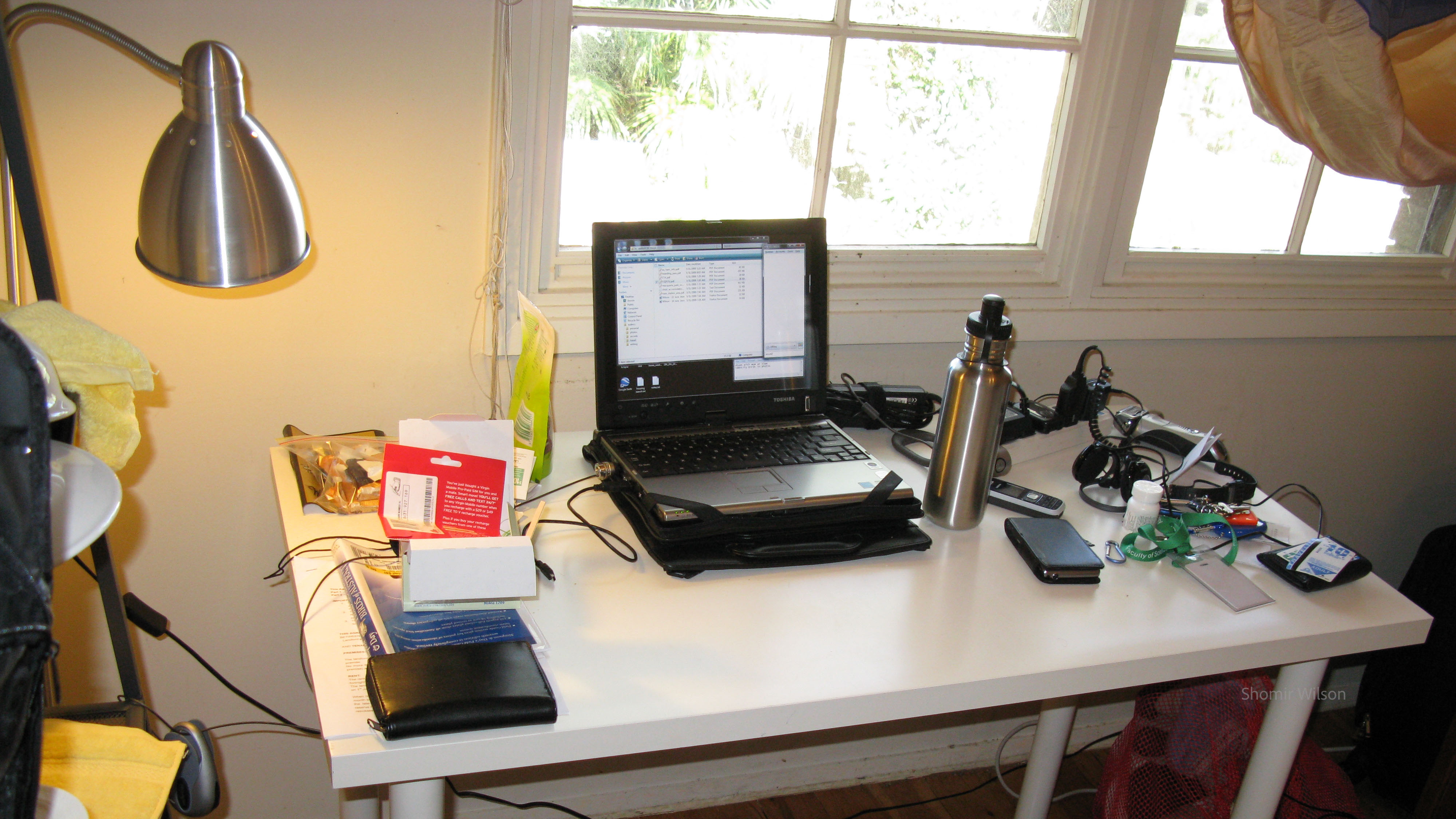
June, 2009
Marsfield (a suburb of Sydney), Australia
I looked at the orange glow on the wall a few inches from my face, and I didn't know where or when I was. I was lying on my side on a bed in the dark. The air was cold, but I had thick, warm covers. I saw my shadow and knew the orange light came from something behind me, possibly a heat source. There was no sound or motion.
Somehow I knew the bed was mine, and I felt comfortable under the covers with cold air to breathe and a heat source at my back. Still, I couldn't remember how old I was, and I considered several possibilities without realizing the logical inconsistency of entertaining them all at once. My frame of mind was agnostic to time, and knowing the future was unremarkable.
I considered whether I was in my dorm room in Hillcrest Hall, at Virginia Tech, as a college student. Sleep was a refuge from self-criticism and the daily tension between the grand things I wanted to accomplish and what I seemed capable of. However, those walls were painted-over cinder blocks, and I was facing drywall.
I considered whether I was in my childhood bedroom in Fredericksburg, Virginia, having just graduated from high school. The future was a blank slate. My peers were excited, but I felt oddly empty and a little anxious. Older people sometimes talked about high school being the best years of their lives, and others talked about college the same way; I found those claims strange and unsettling, given how many decades remained in a typical lifetime. The drywall I faced could have matched that era, but the air was too cold and the building was too quiet.
I considered whether I was a graduate student at the University of Maryland, in my off-campus apartment bedroom. In the intellectual sense graduate school often felt like wandering in the desert, far from the resources I needed or landmarks to assess progress. Again, the wall wasn't right: the paint there had many tiny bubbles. The orange glow remained a mystery too, as it was for all these times and locations.
I cycled through these possibilities in idle curiosity while I fell back asleep.
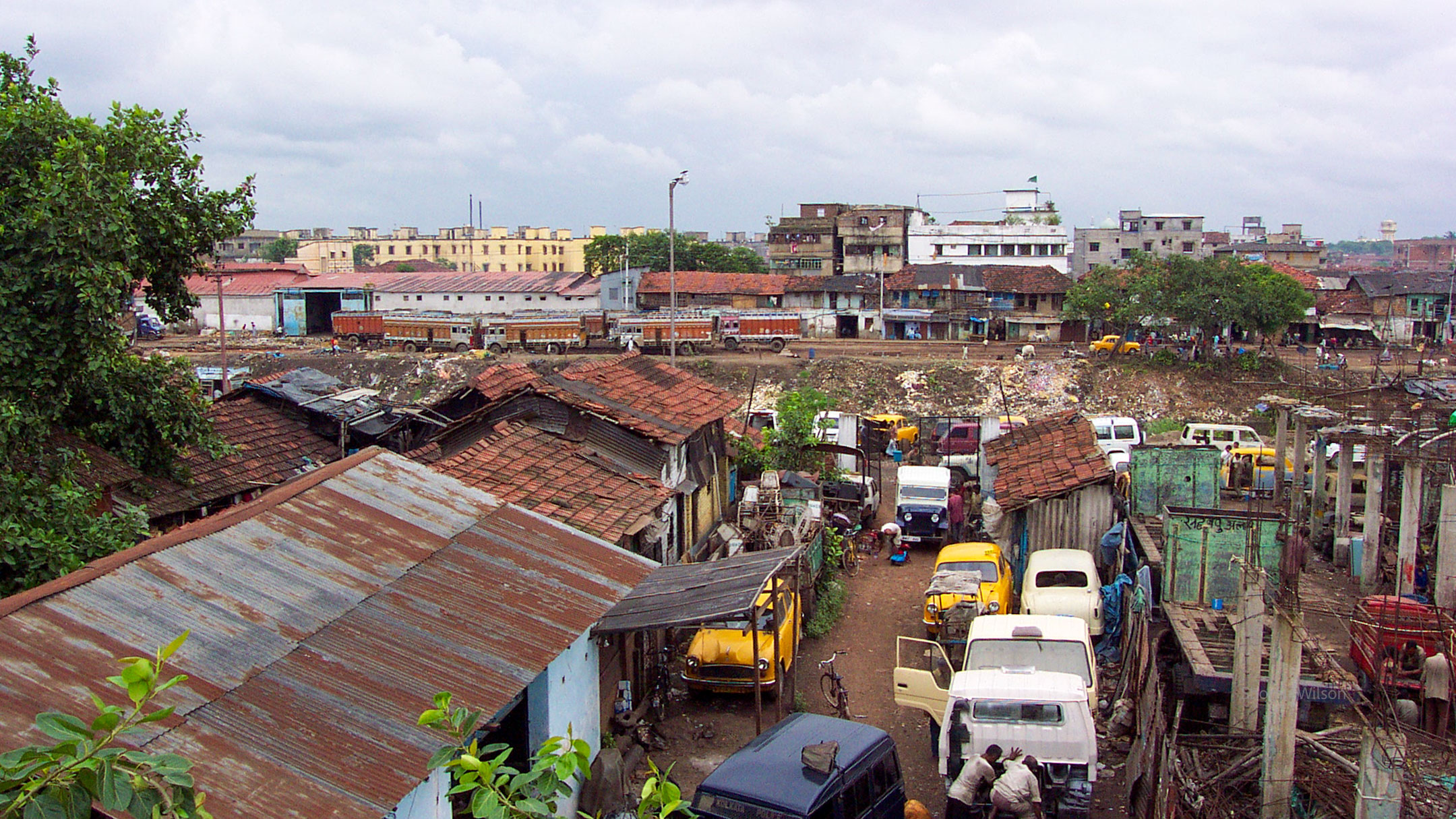
Summer, 2004
Kolkata, India
I woke up suddenly and sat upright in the bed. It was late afternoon on a Kolkata summer day. The windows were open and the air was warm and dusty, bringing in the smells of the city. This house, where my mother had grown up, did not have air conditioning. It was made of concrete and taller than the slum houses and shacks around it. The neighborhood was dense with activities that were unseen but audible: a cart rattling down the ally, children playing, and car horns in the distance.
We had arrived in India earlier in the day, after nearly 24 hours aboard planes or in airports to come from the US. It was my second ever overseas trip—the first also had been to India, six years prior—and I didn't yet have a strategy for dealing with jet lag.
My mother turned from the dresser where she was putting away clothes. She saw the blank expression on my face and she asked if I was OK. My mind was blank, and it didn't occur to me to reply. After a pause, she added instructively: "We're in India."
"I know." It was a reflexive reply, a stopgap while I processed the meaning. India. Of course.
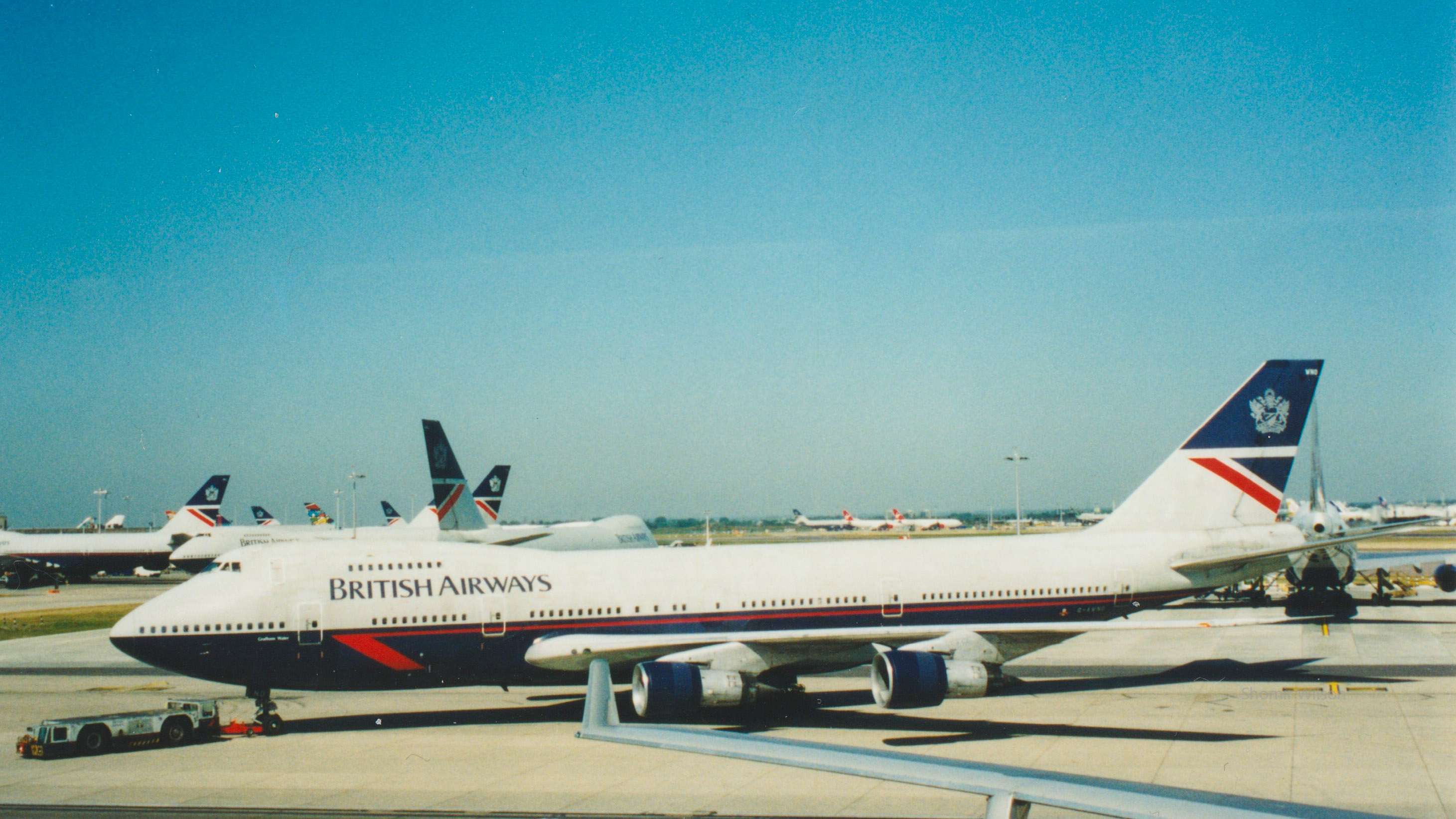
June, 1998
Heathrow Airport, London, United Kingdom
I didn't understand why we had to stop at LHR on the way to Kolkata, because at age sixteen I didn't know about the hub-and-spoke routing model that airlines used. I was on my first international trip, and the flight that brought us there from IAD had been my first flight of any kind. My mother, my sister, and I would wait fourteen hours in departure lounges for our onward flight to Kolkata by way of Delhi. I had heard that Kolkata was one of the largest cities in the world, and I was puzzled that there wasn't a direct connection from Washington.
In theory London was nearby, but in practice all I saw out the window was more of the airport. I began writing down the airline names, and by the end of the layover I had a list of twenty. My airline illiteracy was such that I assumed Delta was from Greece. American and United were definitely ours, but I was puzzled why we needed both. British Airways' huge fleet of 747s circulated around the tarmac, planes arriving and departing on routes to faraway places. I spotted a Concorde at a hard stand, unattended and quiet, nonchalant about its significance.
I turned on my FM radio and found a morning show. Ace's "How Long" played, and its dreary tone matched the grey skies outside. When the hosts returned, the traffic report confused me: I guessed that the "M"s were motorways, but what were "A"s? (Trains, maybe? I knew trains were a bigger deal in the UK than in the US.) The weather report gave the outside temperature in Celsius, which I couldn't relate to. It was uncomfortably warm in the terminal, and not knowing what the air was like just outside the big windows made it seem even more like an alien place.
Prior to departure, the unknowns of the trip—visiting my first foreign country and spending time with relatives I had met once or never—made me more nervous than excited. Now that we were underway, I took the experience in stride. In a few hours there would be another plane and a longer flight. For now, I was in a place in between places, isolated from artifacts of location.
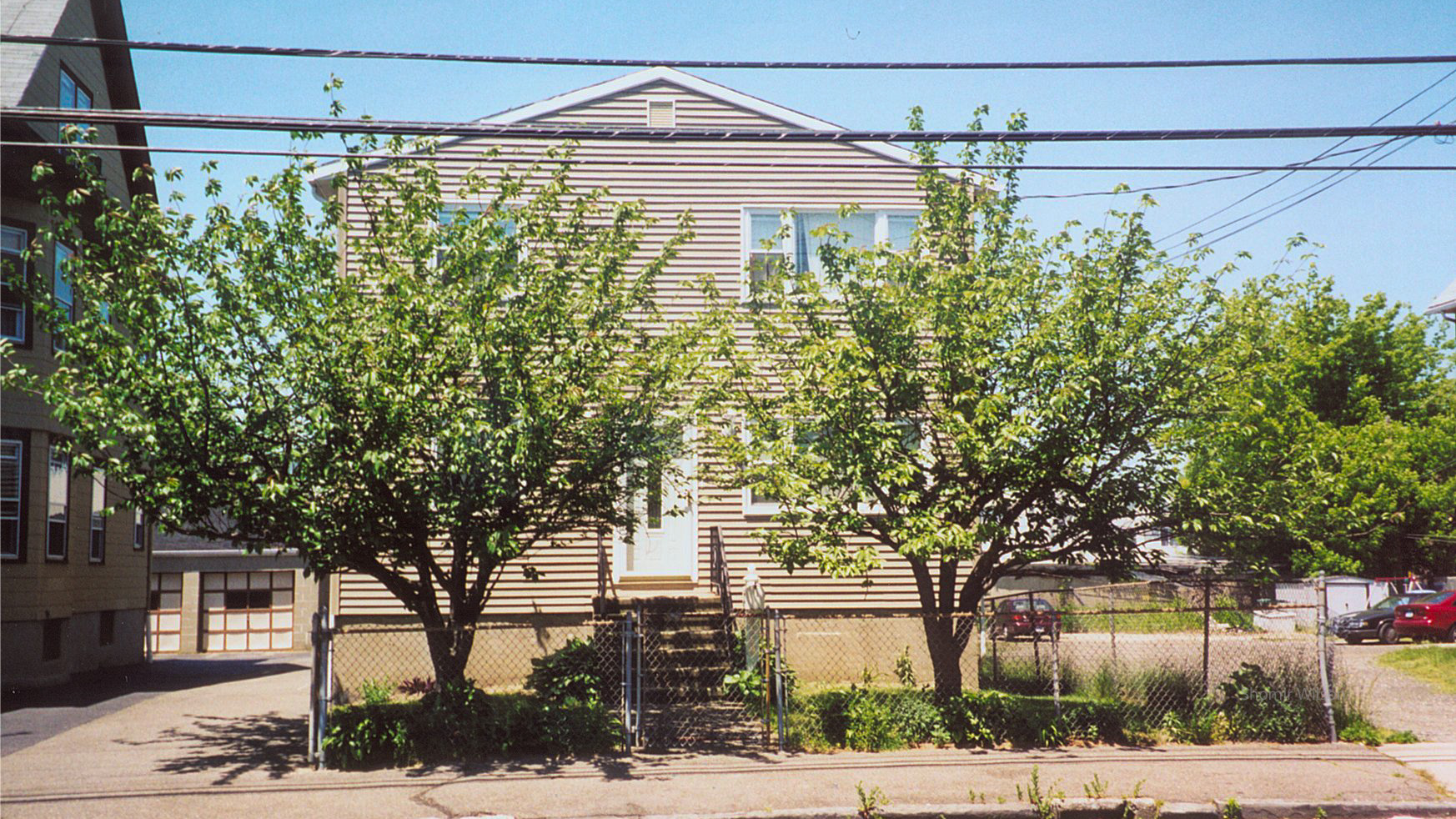
December 1986
Merritt Parkway, near Bridgeport, Connecticut
The bare trees, empty highway, and gray pre-dawn sky could have been many places. It was early morning, and my family had just gotten underway on a road trip. I was in the back of the car, next to my sister, both of us in car seats. My parents sat up front. The radio alternated between pop music and traffic reports.
The road was nearly empty at this time of the morning; my dad wanted to set out early to beat the traffic through the New York City area. Our destination was a small town in Ohio where my Wilson family was gathering for Christmas. The drive would take most of the day. My parents had told me that, but I didn't grasp what it meant. We could drive for a few hours or a few days and I wouldn’t be surprised. With only indistinct memories of prior car trips, I lacked the context for surprisal.
My understanding of topics like travel, distance, and grandparents was nascent. I didn't feel excited or anxious. I felt tired, but not enough to fall asleep. I watched the trees go by and listened to the music.
Continue to Part 2 or go to the Table of Contents.